Does Stress Impact Your Jaw? Managing TMJ Flare-Ups During Busy Summer Transitions
Blog:Does Stress Impact Your Jaw? Managing TMJ Flare-Ups During Busy Summer Transitions

Summer often brings vacations, family gatherings, changing work schedules, moving plans, and back-to-school preparation. While these transitions can be exciting, they may also increase stress and disrupt sleep. For some people, that added tension shows up in the jaw through clenching, grinding, or holding the facial muscles tight.
At Bellflower Oral Facial Surgery & Dental Implant Center, we help patients in Bellflower, CA understand symptoms that may be connected to temporomandibular joint disorders, often called TMJ disorders. Stress does not explain every jaw problem, but it can aggravate habits and muscle tension that make existing discomfort more noticeable.
How Stress Can Contribute to TMJ Flare-Ups
The temporomandibular joints connect the lower jaw to the skull and support everyday movements such as speaking, chewing, and yawning. When a person clenches or grinds their teeth, the jaw muscles and joints may be placed under repeated strain. This can contribute to soreness, stiffness, headaches, facial discomfort, or difficulty opening the mouth comfortably.
Busy summer transitions may make these habits easier to overlook. You may clench while driving in traffic, working through schedule changes, handling travel delays, or preparing children for a new school year. Nighttime grinding can also occur without your awareness, making morning jaw soreness an important symptom to notice.
Signs Your Jaw May Be Under Stress
A temporary ache does not always indicate a TMJ disorder, but recurring or worsening symptoms deserve attention. Common warning signs include:
- Jaw pain or tenderness near the ears
- Clicking, popping, or grinding during movement
- Morning stiffness or tired facial muscles
- Frequent headaches or neck discomfort
- Difficulty opening the mouth fully
- A jaw that catches, sticks, or locks
- Tooth wear, sensitivity, chips, or cracks linked to grinding
Patients experiencing these symptoms in Bellflower should avoid assuming that stress is the only cause. Jaw pain can be associated with joint problems, muscle strain, injury, arthritis, bite concerns, or other oral and facial conditions. A professional evaluation can help clarify what is contributing to the discomfort.
Practical Ways to Reduce Jaw Strain
During a flare-up, become more aware of your resting jaw position. Keep your lips together, your teeth slightly apart, and your jaw relaxed. Avoid chewing gum, biting pens, or repeatedly eating tough and chewy foods. Choosing softer foods for a short period may reduce strain while the area is irritated.
Warm or cold compresses may also provide temporary comfort, depending on the type of pain. Gentle relaxation techniques, regular sleep, and scheduled breaks during stressful days can make clenching easier to recognize. Jaw stretches should be performed carefully and only when recommended by a qualified healthcare professional.
When to Schedule a TMJ Evaluation
Jaw pain that persists, interferes with eating, limits movement, or causes locking should not be ignored. Treatment depends on the source and severity of the problem, so an individualized assessment is important. Early evaluation may also help prevent ongoing clenching or grinding from contributing to tooth damage and worsening discomfort.
Give your jaw the relief it deserves and call Bellflower Oral Facial Surgery & Dental Implant Center in Bellflower, CA at (562) 442-2300 to schedule your TMJ evaluation today.
Helpful Articles
article_category: products
article_category: psychiatry
article_category: faqs
article_category: cats
article_category: general
article_category: services
article_category: technology
article_category: dogs
article_category: restorative
article_category: vision therapy
article_category: contact lenses
article_category: health
article_category: conditions
article_category: eye surgery co-management
article_category: exotic
article_category: cosmetic
article_category: surgical procedures
article_category: aesthetics
article_category: preventative
article_category: ocular disease management
article_category: eyeglasses
article_category: eye health
article_category: large animal
[]
article_category: psychiatry
article_category: faqs
article_category: cats
article_category: general
article_category: services
article_category: technology
article_category: dogs
article_category: restorative
article_category: vision therapy
article_category: contact lenses
article_category: health
article_category: conditions
article_category: eye surgery co-management
article_category: exotic
article_category: cosmetic
article_category: surgical procedures
article_category: aesthetics
article_category: preventative
article_category: ocular disease management
article_category: eyeglasses
article_category: eye health
article_category: large animal
[]
Flowbite is an open-source library of interactive components built on top of Tailwind CSS including buttons, dropdowns, modals, navbars, and more.
Check out this guide to learn how to get started and start developing websites even faster with components on top of Tailwind CSS.
All Dental Services
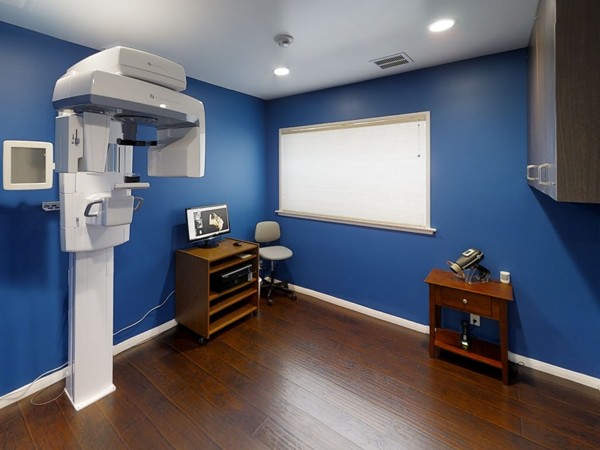
We offer a wide variety of dental services to the Bellflower community. Contact us with any questions about our services.

Keep In Touch
For non-urgent questions or to learn more about our services, contact us today!
Hours of Operation
- Monday 8:00am - 5:00pm
- Tuesday 8:00am - 5:00pm
- Wednesday 9:00am - 3:00pm
- Thursday 8:00am - 5:00pm
- Friday 7:00am - 3:00pm
- Saturday Closed
- Sunday Closed
© 2026 Bellflower Oral Facial Surgery & Dental Implant Center. All rights Reserved. Accessibility Statement - Privacy Policy - Sitemap
Powered by 