Impacted Canines: Surgical Treatment Options to Protect Your Bite and Smile
Blog:Impacted Canines: Surgical Treatment Options to Protect Your Bite and Smile
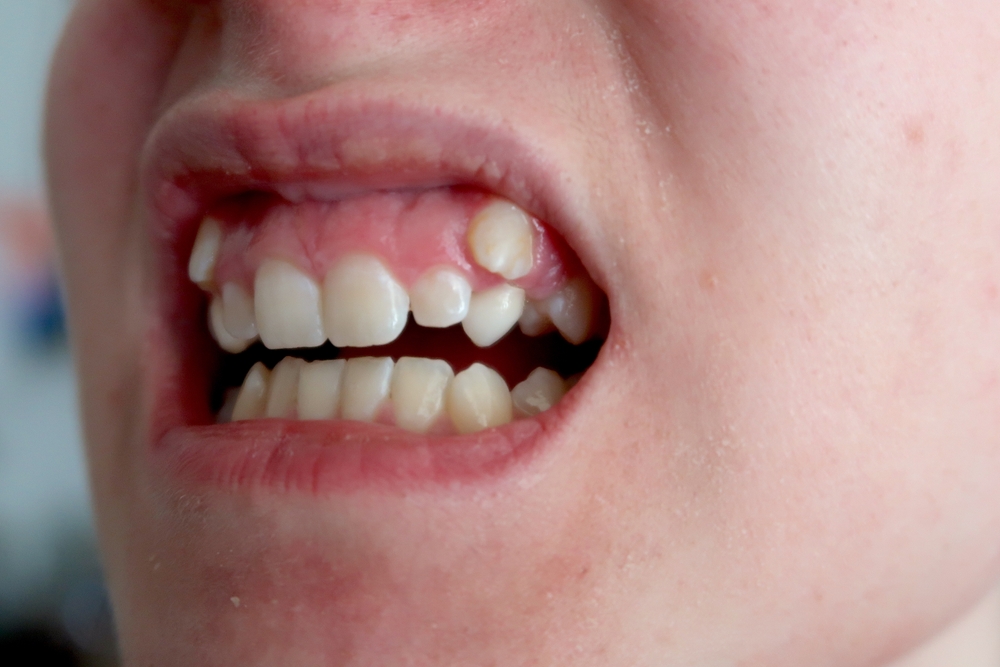
An impacted canine is a tooth that does not erupt into its proper position. Because canines play an important role in your bite, alignment, and smile, delayed treatment can lead to crowding, damage to nearby teeth, or orthodontic complications. For patients in Bellflower, understanding impacted canine treatment options can help prevent larger problems later.
Why Impacted Canines Need Prompt Evaluation
Impacted canines may not always cause pain right away, but that does not mean they should be ignored. In many cases, the tooth is discovered during a dental exam or imaging after a baby tooth does not fall out on time or an adult canine fails to appear. Early diagnosis is especially important because treatment is often more predictable when handled before surrounding teeth shift too far.
Common Signs of an Impacted Canine
Some patients have no obvious symptoms, while others notice changes in how their teeth develop. Signs that may point to an impacted canine include:
- A permanent canine that has not erupted on schedule
- A retained baby tooth
- Gaps, crowding, or shifting nearby teeth
- Swelling or tenderness in the gum area
- A tooth that appears to be erupting in the wrong position
Surgical Exposure and Bracketing
One of the most common treatment options for an impacted canine is surgical exposure and bracketing. In this procedure, your oral surgeon uncovers the impacted tooth and places a small orthodontic bracket with a chain onto it. This allows the tooth to be gradually guided into its proper position over time. This approach is often recommended when the canine is healthy and can still be moved into the dental arch.
Surgical exposure and bracketing can help preserve the natural tooth while supporting a more stable bite and a more balanced smile. For many Bellflower patients, this treatment is a reliable way to protect both function and appearance whenever the impacted canine can be saved.
When Extraction May Be Recommended
In some cases, the impacted canine may be severely angled, fused to the bone, or positioned in a way that makes orthodontic movement unrealistic. When that happens, extraction may be the best surgical treatment option. Removing the tooth can help prevent damage to adjacent teeth and make room for other restorative or orthodontic solutions. The right recommendation depends on the tooth position, patient age, and overall treatment goals.
Contact Bellflower Oral Facial Surgery & Dental Implant Center to schedule a consultation for impacted canines and learn about the right surgical treatment for your smile. Visit our office in Bellflower, California, or call (562) 442-2300 today.
Helpful Articles
article_category: products
article_category: psychiatry
article_category: faqs
article_category: cats
article_category: general
article_category: services
article_category: technology
article_category: dogs
article_category: restorative
article_category: vision therapy
article_category: contact lenses
article_category: health
article_category: conditions
article_category: eye surgery co-management
article_category: exotic
article_category: cosmetic
article_category: surgical procedures
article_category: aesthetics
article_category: preventative
article_category: ocular disease management
article_category: eyeglasses
article_category: eye health
article_category: large animal
[]
article_category: psychiatry
article_category: faqs
article_category: cats
article_category: general
article_category: services
article_category: technology
article_category: dogs
article_category: restorative
article_category: vision therapy
article_category: contact lenses
article_category: health
article_category: conditions
article_category: eye surgery co-management
article_category: exotic
article_category: cosmetic
article_category: surgical procedures
article_category: aesthetics
article_category: preventative
article_category: ocular disease management
article_category: eyeglasses
article_category: eye health
article_category: large animal
[]
Flowbite is an open-source library of interactive components built on top of Tailwind CSS including buttons, dropdowns, modals, navbars, and more.
Check out this guide to learn how to get started and start developing websites even faster with components on top of Tailwind CSS.
All Dental Services
We offer a wide variety of dental services to the Bellflower community. Contact us with any questions about our services.
Keep In Touch
For non-urgent questions or to learn more about our services, contact us today!
Hours of Operation
- Monday 8:00am - 5:00pm
- Tuesday 8:00am - 5:00pm
- Wednesday 9:00am - 3:00pm
- Thursday 8:00am - 5:00pm
- Friday 7:00am - 3:00pm
- Saturday Closed
- Sunday Closed
© 2026 Bellflower Oral Facial Surgery & Dental Implant Center. All rights Reserved. Accessibility Statement - Privacy Policy - Sitemap
Powered by 