
Preparing for an Emergency Oral Surgery Visit: What to Bring and Share
Blog:Preparing for an Emergency Oral Surgery Visit: What to Bring and Share
Preparing for an Emergency Oral Surgery Visit: What to Bring and Share
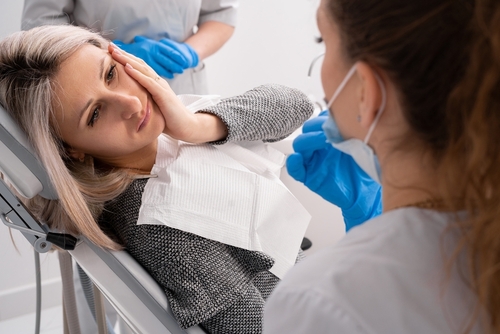
If you wake up with a swollen jaw or break a tooth in a fall, call our Bellflower office before you spend time tracking down dental records. Knowing what happened and how quickly your symptoms are changing helps us guide you to the right care. If swelling makes it hard to breathe or swallow, call 911 immediately.
What to Tell Us When You Call
Start with where it hurts, when it started, and what has changed. For example, if a tooth began aching last night and your cheek is swollen this morning, tell us both details. Mention any fever, drainage, bleeding, or difficulty opening your mouth. If you injured your face or jaw, describe how it happened and whether your teeth still fit together when you bite down.
Tell us what you’ve taken for pain, including the dose and the time you took it. If your dentist has already examined the area or prescribed an antibiotic, let us know so we can take that into account.
What to Bring to Your Visit
Bring what you have available for your emergency oral surgery visit:
Your dentist’s referral and any recent dental X-rays. Your dentist can also send these directly to our office.
A current medication list with doses, including prescriptions, over-the-counter medicines, vitamins, and supplements.
A list of allergies and the reactions you experienced, especially with antibiotics, pain medicines, or anesthesia.
Your medical and dental insurance information and any patient forms you’ve already completed.
If the patient is under 18, a parent or guardian should come to the appointment.
What to Ask Before You Arrive
When you call, ask whether you should eat, drink, or take your usual medications before the visit. Tell us when you last had food or water, especially if we discuss sedation. If we plan to use IV sedation, we’ll give you fasting instructions. You’ll also need a responsible adult to come with you, stay during the procedure, and drive you home.
Let us know if you take a blood thinner, have diabetes, or have had a problem with anesthesia. These details can affect how we plan treatment. Check with your care team before changing a prescribed medication.
What to Expect at Our Office
At your emergency visit, our oral surgeon will examine the area and review your X-rays or take new images if needed. We’ll explain what’s causing your symptoms, what we can do that day, and whether you’ll need a follow-up procedure.
For severe tooth pain, new swelling, or a dental injury, call Bellflower Oral Facial Surgery & Dental Implant Center in Bellflower, CA, at (562) 442-2300. Our team will help you decide what to do next and how to prepare for your visit.
Helpful Articles
All Dental Services
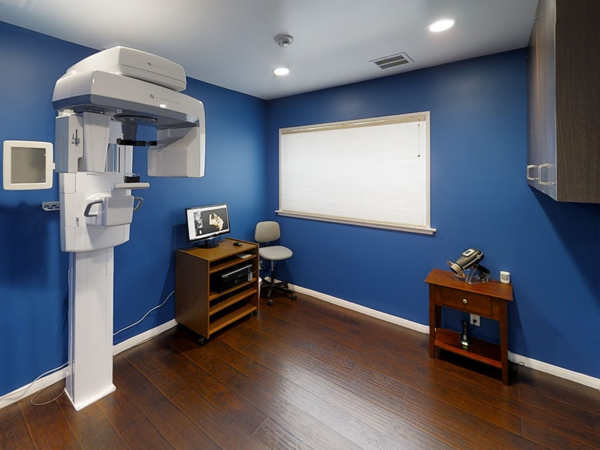
We offer a wide variety of dental services to the Bellflower community. Contact us with any questions about our services.
Keep In Touch
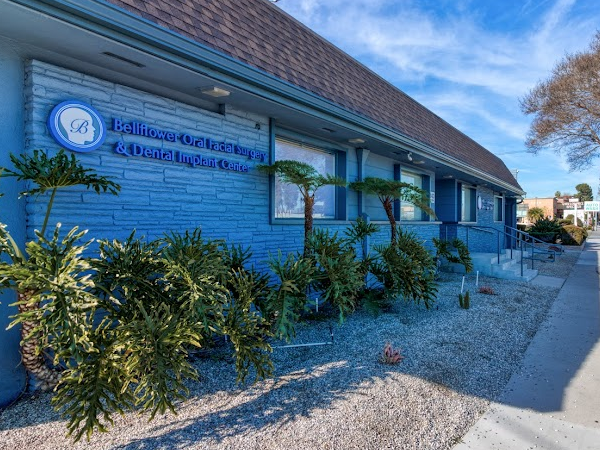
For non-urgent questions or to learn more about our services, contact us today!
Hours of Operation
- Monday 8:00am - 5:00pm
- Tuesday 8:00am - 5:00pm
- Wednesday 9:00am - 3:00pm
- Thursday 8:00am - 5:00pm
- Friday 7:00am - 3:00pm
- Saturday Closed
- Sunday Closed
© 2026 Bellflower Oral Facial Surgery & Dental Implant Center. All rights Reserved. Accessibility Statement - Privacy Policy - Sitemap
Powered by 