Preventing Complications After Dental Extractions
Blog:Preventing Complications After Dental Extractions

Dental extractions are sometimes necessary when a tooth is severely damaged, infected, impacted, or unable to be restored. While the procedure itself is important, what happens afterward plays a major role in healing. Following proper aftercare instructions can help reduce discomfort, protect the extraction site, and lower the risk of complications like infection or dry socket.
For patients in Bellflower, CA, understanding what to do after a tooth extraction can make the recovery process smoother and more predictable.
Why Aftercare Matters After a Dental Extraction
After a tooth is removed, a blood clot forms in the socket. This clot protects the bone and nerves underneath while the area begins to heal. If the clot becomes dislodged too soon, it can lead to dry socket, which may cause significant pain and delay healing.
Good aftercare helps support clot formation, control swelling, minimize bleeding, and prevent bacteria from entering the extraction site. Your oral surgeon will provide specific instructions based on your procedure, health history, and whether your extraction was simple or surgical.
Protecting the Extraction Site
The first 24 hours after a dental extraction are especially important. You should avoid activities that create suction or pressure in the mouth, such as drinking through a straw, smoking, spitting forcefully, or rinsing aggressively. These actions can disturb the clot and increase the risk of complications.
It is also important to rest and avoid strenuous activity right after your appointment. While some mild bleeding, swelling, and tenderness can be normal, the goal is to keep the area stable so healing can begin properly.
Helpful Tips for a Smoother Recovery
Following your post-op instructions carefully is one of the best ways to prevent complications after dental extractions. Your care team may recommend:
Bite gently on gauze as directed to help control bleeding
Use cold compresses during the early healing period to reduce swelling
Eat soft foods such as yogurt, applesauce, mashed potatoes, or smoothies without a straw
Take prescribed or recommended medications exactly as instructed
Keep your mouth clean, but avoid rinsing forcefully during the first day
Begin gentle warm salt water rinses only when your oral surgeon says it is safe
Avoid smoking or vaping, which can slow healing and raise the risk of dry socket
These steps can help patients in Bellflower support healing while reducing the chance of unnecessary discomfort.
Foods and Habits to Avoid After an Extraction
For the first few days, avoid crunchy, spicy, sticky, or hard foods that could irritate the extraction site. Foods like chips, nuts, popcorn, and seeds can get trapped in the socket and interfere with healing. Hot foods and drinks may also increase bleeding early on, so cooler or room-temperature options are often better at first.
Good hydration is important, but drink from a cup instead of using a straw. As healing progresses, you can slowly return to a normal diet based on your comfort level and your oral surgeon’s guidance.
When to Call Your Oral Surgeon
Some soreness and swelling can be expected after a dental extraction, but certain symptoms should be checked. Contact your oral surgery office if you experience worsening pain after the first few days, heavy bleeding, fever, pus, a bad taste that does not improve, or swelling that continues to increase.
Patients in Bellflower should also reach out if they have questions about medication, eating, brushing, or whether their healing feels normal. Prompt communication can help catch concerns early and prevent minor issues from becoming more serious.
Planning for Long-Term Oral Health
After healing, your oral surgeon may discuss whether the extracted tooth should be replaced. Depending on the location of the tooth, replacement options may help prevent shifting teeth, bite changes, or difficulty chewing. Dental implants, bridges, or other restorative options may be recommended based on your needs.
For dental extractions and post-op care in Bellflower, CA, schedule a consult at Bellflower Oral Facial Surgery & Dental Implant Center by calling (562) 442-2300.
Helpful Articles
article_category: products
article_category: psychiatry
article_category: faqs
article_category: cats
article_category: general
article_category: services
article_category: technology
article_category: dogs
article_category: restorative
article_category: vision therapy
article_category: contact lenses
article_category: health
article_category: conditions
article_category: eye surgery co-management
article_category: exotic
article_category: cosmetic
article_category: surgical procedures
article_category: aesthetics
article_category: preventative
article_category: ocular disease management
article_category: eyeglasses
article_category: eye health
article_category: large animal
[]
article_category: psychiatry
article_category: faqs
article_category: cats
article_category: general
article_category: services
article_category: technology
article_category: dogs
article_category: restorative
article_category: vision therapy
article_category: contact lenses
article_category: health
article_category: conditions
article_category: eye surgery co-management
article_category: exotic
article_category: cosmetic
article_category: surgical procedures
article_category: aesthetics
article_category: preventative
article_category: ocular disease management
article_category: eyeglasses
article_category: eye health
article_category: large animal
[]
Flowbite is an open-source library of interactive components built on top of Tailwind CSS including buttons, dropdowns, modals, navbars, and more.
Check out this guide to learn how to get started and start developing websites even faster with components on top of Tailwind CSS.
All Dental Services
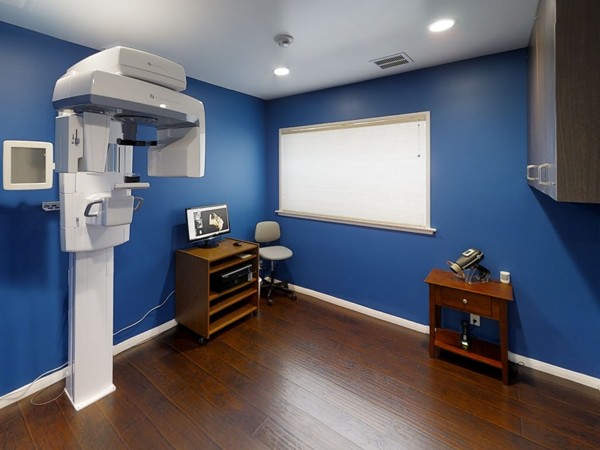
We offer a wide variety of dental services to the Bellflower community. Contact us with any questions about our services.
Keep In Touch
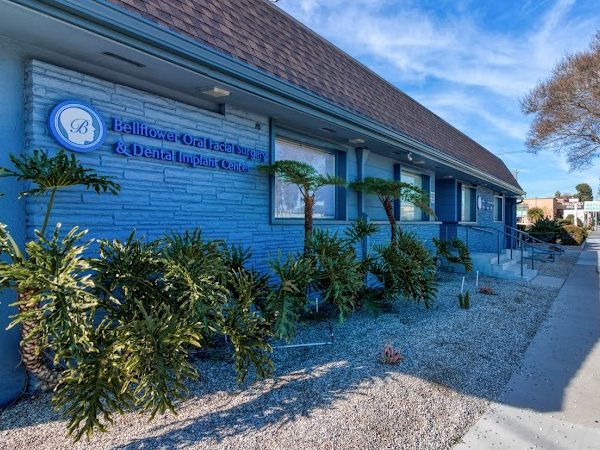
For non-urgent questions or to learn more about our services, contact us today!
Hours of Operation
- Monday 8:00am - 5:00pm
- Tuesday 8:00am - 5:00pm
- Wednesday 9:00am - 3:00pm
- Thursday 8:00am - 5:00pm
- Friday 7:00am - 3:00pm
- Saturday Closed
- Sunday Closed
© 2026 Bellflower Oral Facial Surgery & Dental Implant Center. All rights Reserved. Accessibility Statement - Privacy Policy - Sitemap
Powered by 