Persistent Jaw Pain in Bellflower: Could TMJ Be the Cause?
Blog:Persistent Jaw Pain in Bellflower: Could TMJ Be the Cause?
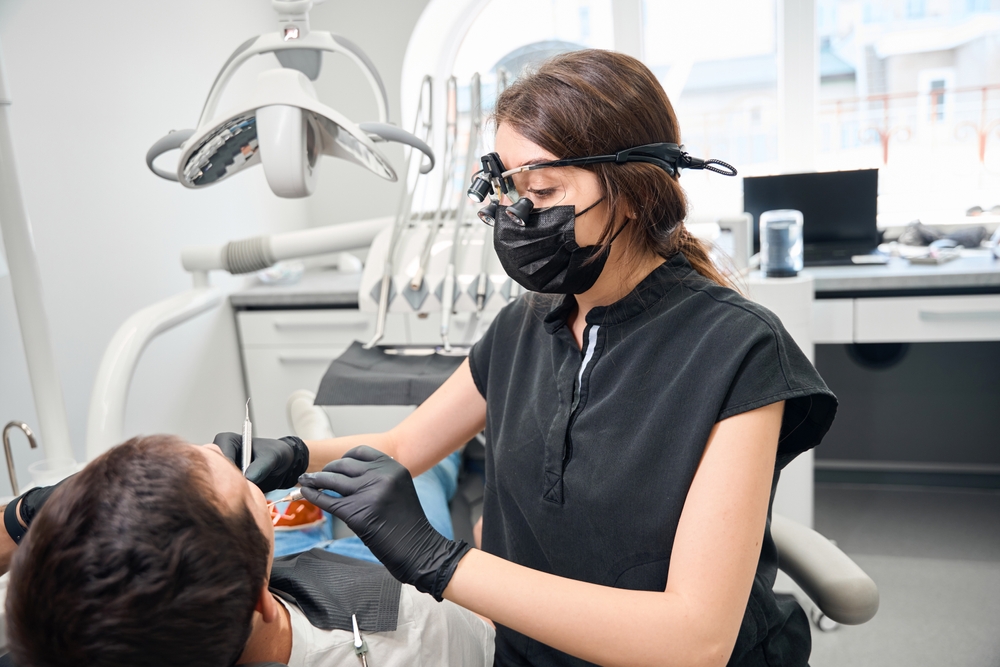
Jaw pain that lasts for more than a few days can make everyday activities like eating, speaking, and yawning uncomfortable. While occasional jaw soreness may result from temporary muscle tension, persistent jaw pain can sometimes point to a temporomandibular joint disorder, commonly called a TMJ disorder.
At Bellflower Oral Facial Surgery & Dental Implant Center, we evaluate problems affecting the jaw, mouth, and facial structures to help patients in Bellflower understand what may be causing their discomfort.
What Is a TMJ Disorder?
The temporomandibular joints are located just in front of each ear and connect the lower jaw to the skull. These joints work together with surrounding muscles and ligaments whenever you chew, speak, swallow, or open and close your mouth.
When the joint itself or the surrounding structures are irritated, strained, injured, or functioning improperly, patients may develop ongoing pain and difficulty moving the jaw normally.
Signs Your Jaw Pain May Be Related to TMJ
TMJ symptoms can vary from person to person. Jaw pain is common, but discomfort may also extend into the face, head, neck, or area around the ears.
Signs that may warrant a TMJ evaluation include:
- Persistent jaw or facial pain
- Clicking, popping, or grinding sounds when moving the jaw
- Difficulty opening your mouth fully
- A jaw that occasionally locks or feels stuck
- Morning jaw soreness or stiffness
- Frequent headaches or neck discomfort
- Pain or difficulty while chewing
- Teeth grinding or jaw clenching
Clicking alone does not necessarily mean that treatment is needed. However, clicking accompanied by pain, restricted movement, locking, or worsening symptoms should be evaluated.
What Can Cause TMJ Pain?
There is not always one clear cause of a TMJ disorder. Repeated teeth grinding or clenching can place excess stress on the jaw muscles and joints. Previous injuries involving the face, head, neck, or jaw may also contribute to problems.
Other factors can include arthritis, changes in the joint's internal structures, muscle strain, or bite-related concerns. Because several conditions can produce similar symptoms, identifying the source of persistent jaw pain is an important part of determining appropriate treatment.
When Should You See an Oral Surgeon for Jaw Pain?
If jaw pain continues, repeatedly returns, or begins interfering with eating and normal jaw movement, a professional evaluation can help determine what is happening. You should also seek care if your jaw begins locking, your ability to open your mouth becomes limited, or symptoms develop following an injury.
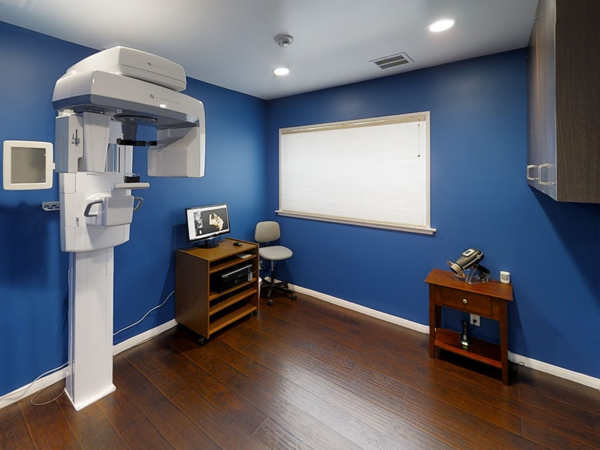
During a TMJ evaluation in Bellflower, we can assess your symptoms, jaw movement, bite, and surrounding oral and facial structures. Additional diagnostic imaging may be recommended when needed to better understand the condition of the joint and determine an appropriate treatment approach.
If persistent jaw pain, clicking, stiffness, or limited movement is affecting your daily life, schedule a TMJ evaluation with Bellflower Oral Facial Surgery & Dental Implant Center to learn more about treatment options. Contact our office in Bellflower, CA, by calling (562) 442-2300 to book an appointment.
Helpful Articles
article_category: restorative
article_category: vision therapy
article_category: contact lenses
article_category: health
article_category: conditions
article_category: eye surgery co-management
article_category: exotic
article_category: cosmetic
article_category: products
article_category: psychiatry
article_category: faqs
article_category: cats
article_category: general
article_category: services
article_category: technology
article_category: dogs
article_category: surgical procedures
article_category: aesthetics
article_category: preventative
article_category: ocular disease management
article_category: eyeglasses
article_category: eye health
article_category: large animal
[]
Flowbite is an open-source library of interactive components built on top of Tailwind CSS including buttons, dropdowns, modals, navbars, and more.
Check out this guide to learn how to get started and start developing websites even faster with components on top of Tailwind CSS.
All Dental Services
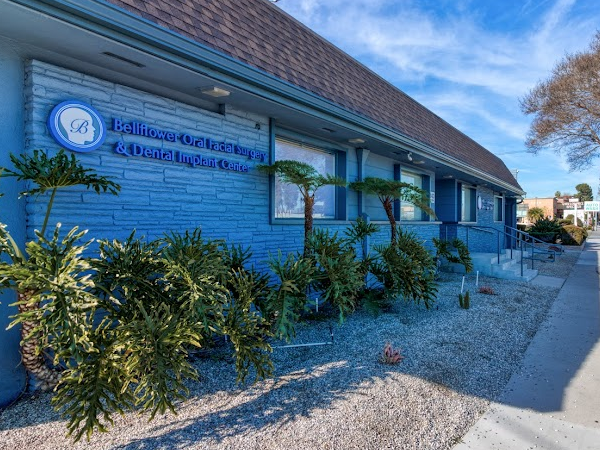
We offer a wide variety of dental services to the Bellflower community. Contact us with any questions about our services.
Keep In Touch
For non-urgent questions or to learn more about our services, contact us today!
Hours of Operation
- Monday 8:00am - 5:00pm
- Tuesday 8:00am - 5:00pm
- Wednesday 9:00am - 3:00pm
- Thursday 8:00am - 5:00pm
- Friday 7:00am - 3:00pm
- Saturday Closed
- Sunday Closed
© 2026 Bellflower Oral Facial Surgery & Dental Implant Center. All rights Reserved. Accessibility Statement - Privacy Policy - Sitemap
Powered by 